Road Salt Damage to Cars: How to Prevent Rust and Corrosion
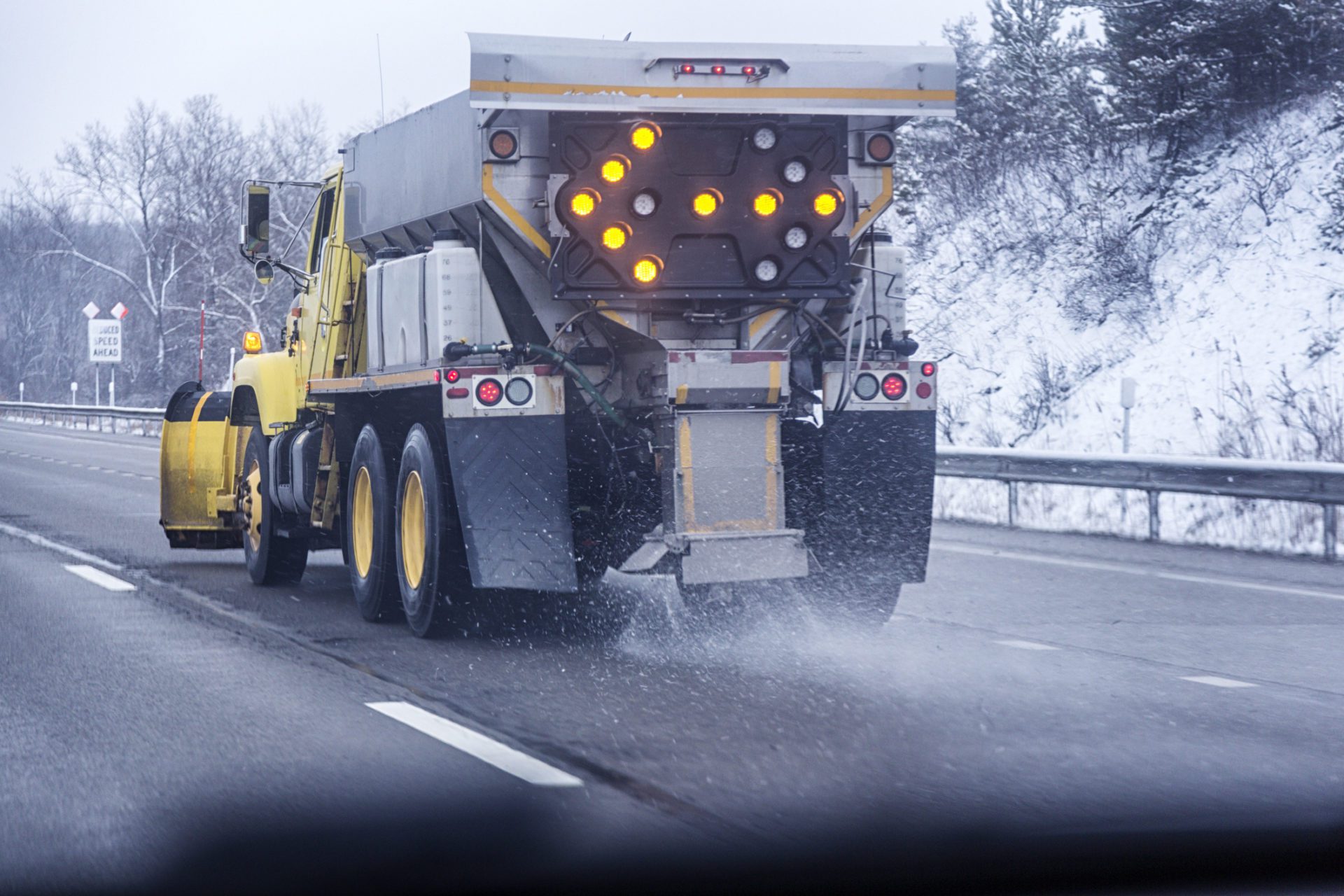
Road salt damages cars by accelerating corrosion, and the undercarriage takes the worst of it. Your brake and fuel lines sit closest to the road, which puts them most at risk. Left alone, that corrosion turns into repairs that cost a great deal more than the occasional winter car wash.
As temperatures dip, road crews start treating roads and highways with rock salt. The salt, also called halite, lowers the freezing point of water so ice doesn't form, and it's what keeps our roads drivable through a Pennsylvania winter. The trade-off is a chemical reaction that works on metal every time it makes contact. A few preventative measures now are what keep that from becoming a repair bill later.
Does Car Insurance Cover Salt Damage?
Generally no, and it's worth understanding why. Rust and corrosion from road salt are treated as wear and tear, and wear and tear is excluded under standard personal auto policies. That holds whether you carry comprehensive, collision or both.
Insurance is built around sudden, unexpected events. Salt corrosion is the opposite: gradual, predictable and preventable, which is exactly why policies leave the responsibility of addressing it to the owner.
There's a narrow exception. Where corrosion results from a covered loss — flood damage under comprehensive coverage, for instance — related repairs may be covered. Ordinary winter road salt isn't a covered peril. If you're unsure how your own policy reads, your agent can check it with you.
When it comes to rock salt, the five steps below are your real protection.
Five Ways to Prevent Road Salt Damage
1. Winterize your car early.
In the fall, wash your car and apply a layer of high-quality wax. The wax creates a barrier between your car and the elements, preventing snow, salt, and other debris from sticking to it. Remember that the wax will slowly deteriorate over time, so you should reapply the wax several times through the winter.
2. Wash your car regularly.
Make it a point to take your vehicle to the car wash frequently this winter, especially after driving on salted roads. By thoroughly washing your car, particularly the undercarriage, you will rinse any trapped rock salt off the metal and prevent rust and erosion. Make sure to only wash your car during the day to give it time to dry before nightfall.
3. Avoid driving before and after snowstorms.
Road crews lay fresh road salt before a large snowstorm is expected to hit and again after the storm has ended. Driving during these times puts you at risk of excess salt sticking to the car’s undercarriage.
4. Don’t drive across snow-covered roads.
Driving through the snow can pack road salt deep into the undercarriage where it is difficult to remove. If there is deep snow on the road or in your driveway, wait for it to be plowed or find an alternate route. Driving across snow-covered roads is extremely dangerous and can lead to your car getting stuck, leaving you stranded and potentially causing a life-threatening emergency.
5. Fix any minor damage prior to wintertime.
Before winter sets in, take your car to the shop and have it inspected. You will want to ensure that any deep scratches, chips or rust spots are repaired before the first big freeze. Having this minor damage fixed before wintertime prevents water, dirt and rock salt from reaching the metal and forming rust, which can lead to a more expensive repair bill if not promptly dealt with.
Frequently Asked Questions
How bad is road salt for your car?
Bad enough to shorten the life of brake and fuel lines, which sit closest to the road. Salt works on any exposed metal, and it gets into paint chips and scratches, so undercarriage corrosion is usually well advanced before anyone notices it.
Is it bad to leave salt on your car?
Yes. Salt keeps working as long as it's in contact with metal, and it holds moisture against the surface, which makes it worse. Rinsing it off is the single most effective thing you can do.
How do you neutralize road salt on a car?
Plain water and a proper undercarriage rinse do the job. A car wash with an undercarriage spray is the easiest option. Wash during the day so the vehicle dries before temperatures drop overnight.
How often should you wash your car in winter?
Every couple of weeks through the salting season, and sooner after driving on freshly treated roads. If you only manage one wash after a storm, make it the one with the undercarriage rinse.
Corrosion caused by rock salt can do real damage to your vehicle over a winter, and your policy won't pay to undo it. By following these five tips you can reduce your risk. As you prepare your car for winter, take a few minutes to reach out to your independent agent in Pennsylvania or Maryland for a review of your auto coverage before you have to navigate dangerous winter roads.